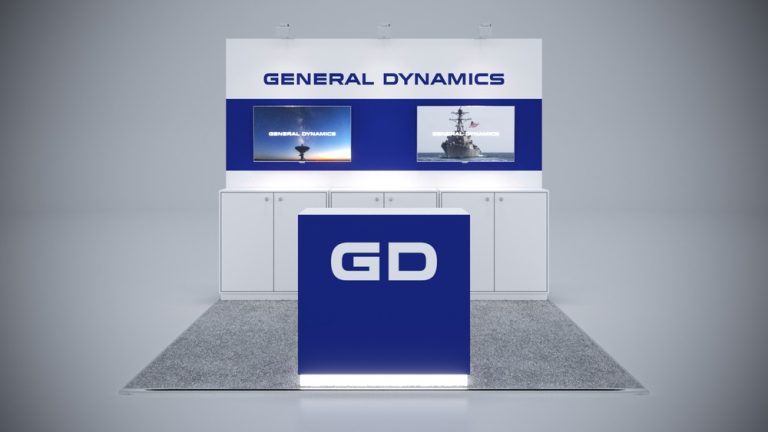
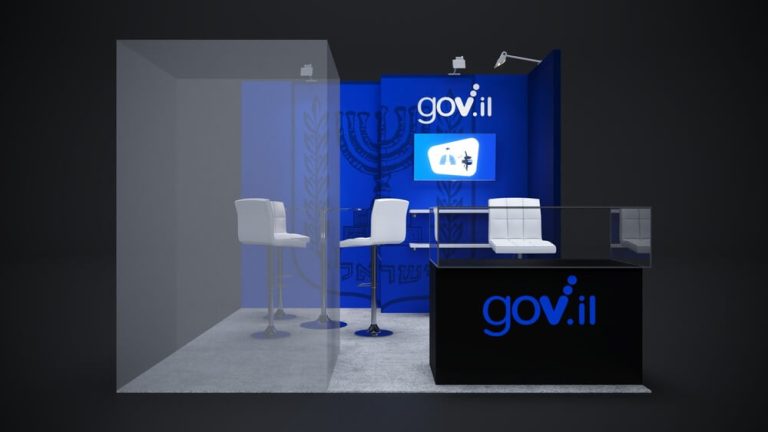
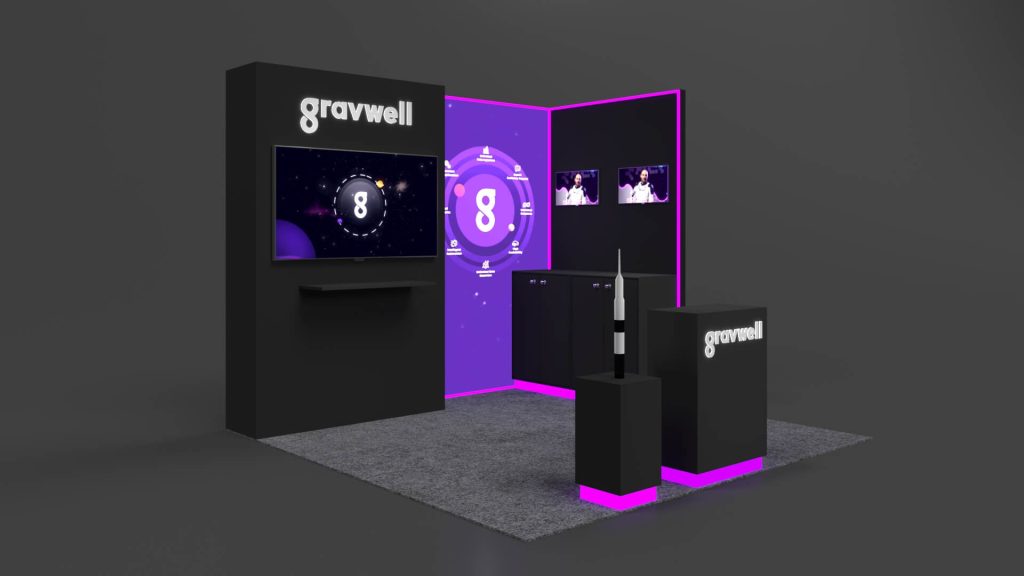
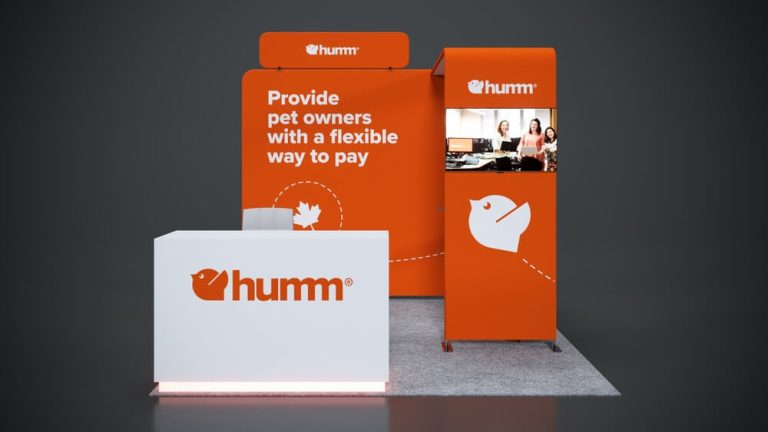
Denver Startup Week Expo is an annual, September technology & software event drawing 15,000+ attendees to Denver. Traction X designs, builds and delivers custom booth rentals for Denver Startup Week, with graphics, delivery, install and dismantle included. 10×10 rental starting from $16,250 USD. 10×20 rental starting from $19,500 USD. 20×20 rental starting from $35,000 USD. 20×30 rental starting from $52,500 USD. Custom purchase adds about 40 to 75%. Reach out 5-6 months out. From 2-3 months out, expedited service may add cost. Under 2 months, expedited costs apply.
Cadence
Annual, September
Attendance
15,000+
Audience
Founders, VCs and regional tech talent
Venue
Colorado Convention Center
Denver Startup Week runs a community-scale expo floor alongside its programming track. Traction X builds lean, high-impact booths that let regional startups punch above their budget without overbuilding for a one-day floor.
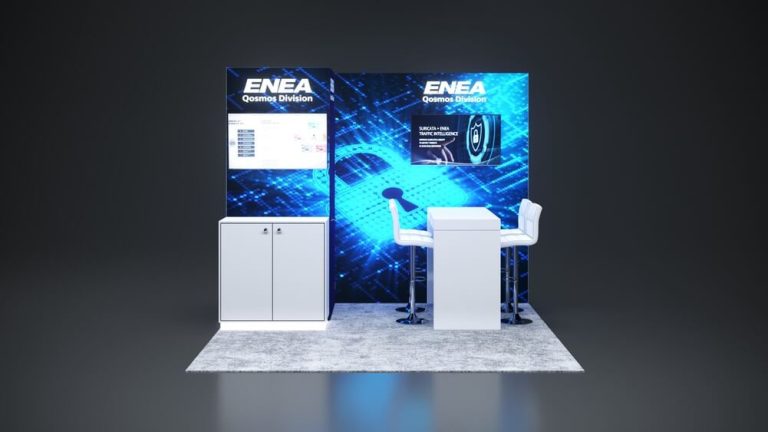
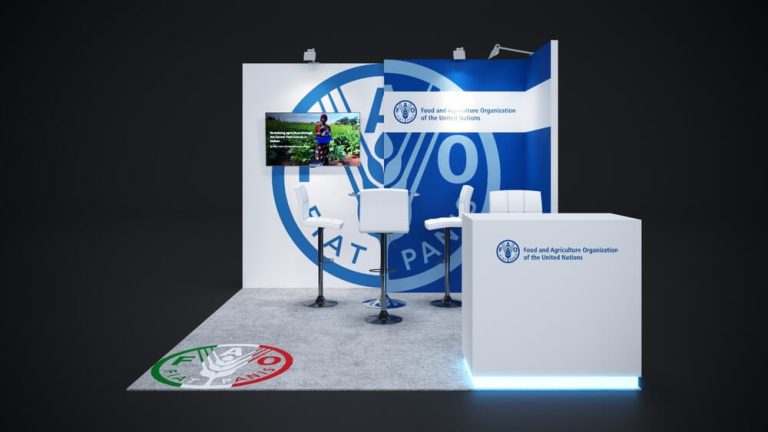
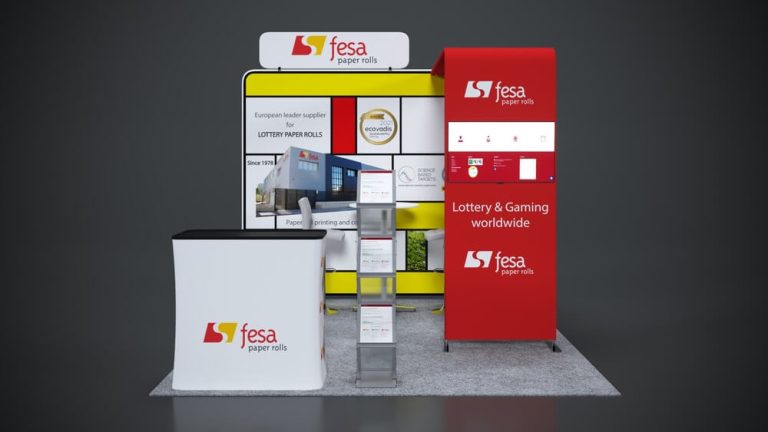
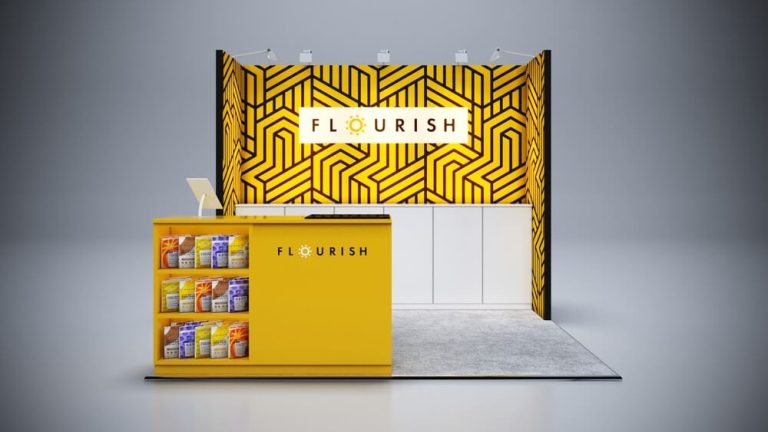
Booths we've built for Denver Startup Week-scale exhibitors
Real Traction X exhibits, designed, fabricated, and installed in-house. The same custom build and custom rental programs are available for Denver Startup Week.
Air Canada Lounge
Hospitality-grade lounge environment built for repeat tour use
Canada Export pavilion
Multi-tenant pavilion with shared reception and co-exhibitor bays
Team Canada FanFest
Large-format public activation with rigged structure and signage
Netflix activation
Immersive set-build environment with themed scenic and lighting
NVIDIA DGX Spark
Tech demo exhibit with secure display cases and LED wall
Optibus Preference Designer
Software demo booth with interactive kiosks and seated demos
For companies selling into founders, vcs and regional tech talent, Denver Startup Week Expo is the highest-density room your buyers walk in a given year. A single September week in Denver compresses the pipeline motion that would otherwise take six months of outbound, provided your booth actually converts. That is where most Denver Startup Week exhibitors leak spend: a beautiful graphic package that never nudges a stranger into a demo, a floor plan that hides the meeting area, or an AV rig the audience cannot see from 20 feet away. Traction X approaches every Denver Startup Week project as a conversion problem first, then a fabrication problem, the exhibit exists to move badges into meetings and meetings into signed opportunities.
Who exhibits and who attends
Who exhibits
•Technology & Software OEMs and platform vendors
•Channel partners, VARs, and systems integrators
•Startups launching new products in the technology & software category
•International brands entering the North American market
Who attends
•Founders, VCs and regional tech talent decision-makers and buyers
•Directors of procurement and category managers
•Product, engineering, and R&D leaders scouting suppliers
•Analysts, press, and industry media
•Investors and corporate-development scouts
•Downstream integrators and channel resellers
•Existing customers using the show as an annual account review
Hall layout and floor strategy at Denver Startup Week
Colorado Convention Center lays out Denver Startup Week across Halls A-F + Bellco Theatre and rooftop terrace. Traffic patterns matter more than absolute floor position, booths near category "anchors," registration ingress, and food & beverage clusters consistently outperform equal-sized booths tucked into perimeter corners. When you engage Traction X early we will read the current floor plan against your goals, flag columns and sightline breaks that would kill your hero graphic, and give you a defensible booth-selection rationale before you sign the space contract.
Move-in and move-out logistics
Move-in
Move-in for Denver Startup Week typically runs across three to five days ahead of show open, with targeted move-in slots for island booths. Larger builds commonly get earlier windows so structure, rigging and hanging signs can go up before smaller neighbors arrive. Traction X delivers and installs on your target window, with a project manager on site.
Move-out
Move-out for Denver Startup Week starts within an hour of show close. Traction X keeps a supervisor on site through dismantle and returns the booth for storage, refurbishment or the next show.
Show note
Lock design by July for a September event.
What does a Denver Startup Week booth actually cost?
A rough working budget for Denver Startup Week, based on Traction X projects delivered over the last several show cycles. Precise pricing is quoted against your specific footprint, materials, and AV scope.
Line item
Typical range
Custom rental booth (Traction X)
Custom rentals. 10×10 rental starting from $16,250 USD. 10×20 rental starting from $19,500 USD. 20×20 rental starting from $35,000 USD. 20×30 rental starting from $52,500 USD. Design, build, graphics, delivery, install and dismantle. Custom purchase adds about 40 to 75%.
A suggested timeline, not a fixed one. Go turnkey and we handle every step, from design to install and dismantle.
5-6 MONTHS OUT
Reach out and plan with us. Sign off on your design by 5 months out to save 5%. Reached out early? You'll likely still qualify if you plan to wrap up soon.
3-5 MONTHS OUT
Approve your design, final 3D renders, and drawings. We handle the build, graphics, and power and rigging orders.
2-3 MONTHS OUT
Still doable with expedited service. To be transparent, there may be additional costs.
→Design for the 20-foot read first, booth identity and category promise must be legible from across the aisle before graphics detail matters.
→Route traffic on purpose: give a walking attendee an obvious entry, one hero demo, and a clear exit into a meeting space or lead-capture point.
→Reserve at least 15 to 20% of floor area for private conversations, even in a 10×20, the booth exists to book meetings, not to broadcast.
→Elevate demo interactions off the aisle so passing traffic can see engagement without disrupting the person in the demo seat.
→Light the product, not the ceiling, booth-owned overhead lighting outperforms house lighting in every hall we work.
→Standardize a re-usable rental kit for repeatable elements (reception counter, meeting pods, storage) and reserve custom fabrication for the hero moments.
→Prototype the lead-capture flow before the show, a beautiful booth with a broken badge scanner still costs you the pipeline.
Common Denver Startup Week exhibitor mistakes (and how we avoid them)
→Booking booth space before the story is written, floor position drives what design is even possible.
→Leaving the install until move-in, which is when crew calls and rigging approvals get missed.
→Choosing a purchase build for a booth used once a year instead of a custom rental that refreshes graphics and hero moments annually.
→Under-lighting the demo zone and over-lighting the graphics, which flattens product presence on camera and in person.
→Skipping the pre-show staff training, the same booth converts 2 to 3× better with a rehearsed opening line and demo hand-off.
→Waiting until move-in day to discover your hanging sign was never approved by the GC's engineering desk.
→Treating post-show follow-up as an afterthought, scans that are not qualified and routed within 48 hours decay fast.
ROI and lead-capture playbook for Denver Startup Week
→Define one primary conversion event (booked meeting, qualified demo, opportunity created) and instrument every booth interaction against it.
→Pre-book at least 60% of your target meetings before you arrive, booth traffic should top up the calendar, not fill it.
→Use scannable QR flows tied directly to your CRM instead of relying only on the show's lead-retrieval device.
→Assign a "closer" role to one senior team member per shift, someone whose only job is qualifying warm scans into next-step meetings.
→Run a nightly stand-up during show week to reassign staff, tune the demo script, and flag stuck opportunities to executives.
→Send a personalized outbound sequence within 48 hours of show close, decay curves after Denver Startup Week are steep.
→Track cost-per-qualified-meeting, not cost-per-scan, and reuse that number to justify next year's exhibit budget internally.
Traction X field tips
→Lightweight modular kits keep costs sensible for a single-day expo floor.
→Confirm venue power access early, startup demo laptops and screens add up fast.
Sustainability and reuse
Traction X treats every Denver Startup Week exhibit as a candidate for reuse. Rental frames, modular walls, and reception furniture return to our warehouse for refurbishment and redeploy on other shows, which shrinks per-show waste and keeps your capex profile flat. When you own booth properties, we build with modular tolerances so hero moments can be re-skinned each year with new graphics rather than rebuilt from scratch, a small design decision at kickoff that pays back for the life of the booth.
Local partners and jurisdictions at Denver Startup Week
Labor rules at CCC Denver (Mixed jurisdiction; GC-dispatched crews standard for island builds) are part of the install plan, and Traction X builds that into the booth before you commit. A Traction X project manager runs delivery, install and dismantle at Denver Startup Week so you have one contact before the show opens.
Held at Colorado Convention Center
Denver's convention centre serves the cleantech, outdoor and medical calendars, with a recently expanded rooftop event space that has changed how sponsors activate here. Traction X handles the full programme from design through dismantle.
Frequently asked questions about Denver Startup Week
How much does a trade show booth cost at Denver Startup Week?+
At Denver Startup Week a custom 10×10 rental is starting from $16,250 USD and a 20×20 island is starting from $35,000 USD, with a 20×30 starting from $52,500 USD. That includes design, fabrication, graphics, and delivery and install. Buying the same 20×20 is starting from $60,000 USD. Custom purchase adds about 40 to 75%. Larger footprints are quoted per project.
How much does a booth rental at Denver Startup Week cost?+
At Denver Startup Week, Custom rentals. 10×10 rental starting from $16,250 USD. 10×20 rental starting from $19,500 USD. 20×20 rental starting from $35,000 USD. 20×30 rental starting from $52,500 USD. That is the booth we provide: design, build, graphics, delivery, install and dismantle. Custom purchase adds about 40 to 75%.
When should I start planning our Denver Startup Week booth?+
Reach out 5-6 months out and plan with us. Sign off on the design by 5 months out to save 5%. From 3-5 months out, approve the design and we handle the build, graphics, and power and rigging orders. From 2-3 months out, expedited service is available and there may be additional costs. Under 2 months, expedited costs apply. Rescue Booth Builds covers short-notice shows.
Do you deliver and install at Denver Startup Week?+
Yes. Traction X delivers the booth, books the install crew at CCC Denver, and a project manager manages install and dismantle.
Can we use our existing booth at Denver Startup Week instead of renting?+
Yes. Traction X will refresh, refit, or supplement an owned booth. We often propose a hybrid: refresh the hero graphics and hanging sign, rent additional meeting rooms for the show, and store everything between events.
What is included in a booth at Denver Startup Week?+
Design, build, graphics, delivery, install and dismantle. The published starting price is the booth itself.
What is the difference between a custom rental and a custom purchase for Denver Startup Week?+
A custom rental gives you a one-off exhibit designed for this show, then returns to our warehouse, you pay only for the show, and the graphics refresh next year. A custom purchase is asset-owned by you and typically pays back if you exhibit at three or more shows over its lifetime.
Can Traction X manage AV, lighting, and hanging signs for Denver Startup Week?+
Yes. AV, rigging, and lighting are usually the highest-visibility elements of a booth; Traction X sources, integrates, and rigs them alongside the exhibit build so you have one accountable partner instead of a stack of separate contractors.
Do you support exhibitors coming from outside the US or Canada?+
Yes. Traction X delivers and installs for international exhibitors at Denver Startup Week, with a project manager on site for the build.
Starting prices
What a booth costs at Denver Startup Week
Starting prices for a custom exhibit at Denver Startup Week. Each figure includes design, fabrication, graphics, delivery, install and dismantle.
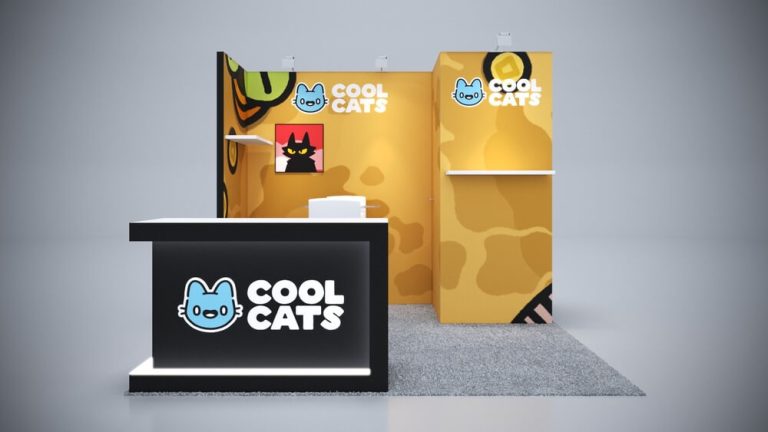
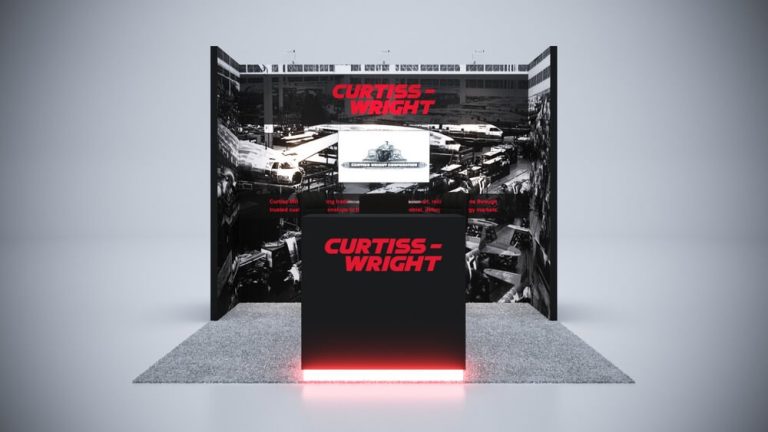
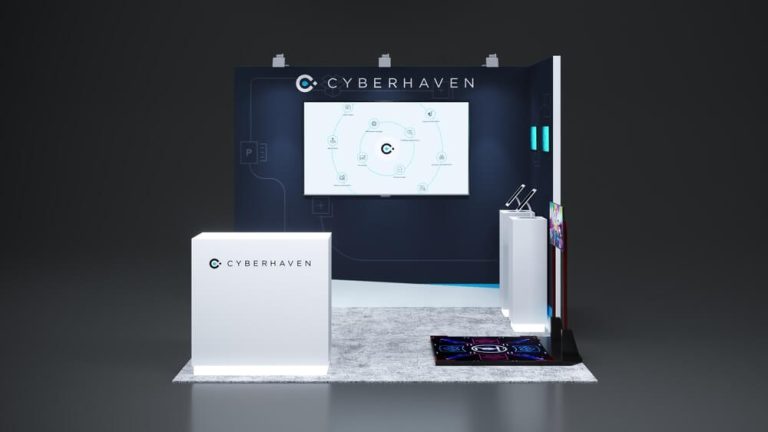
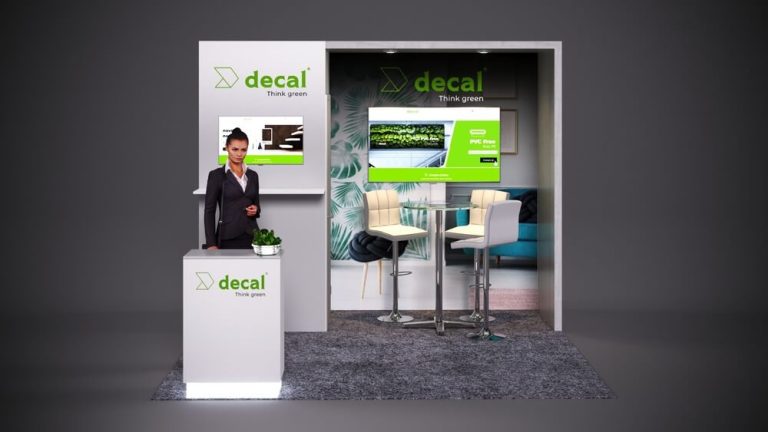
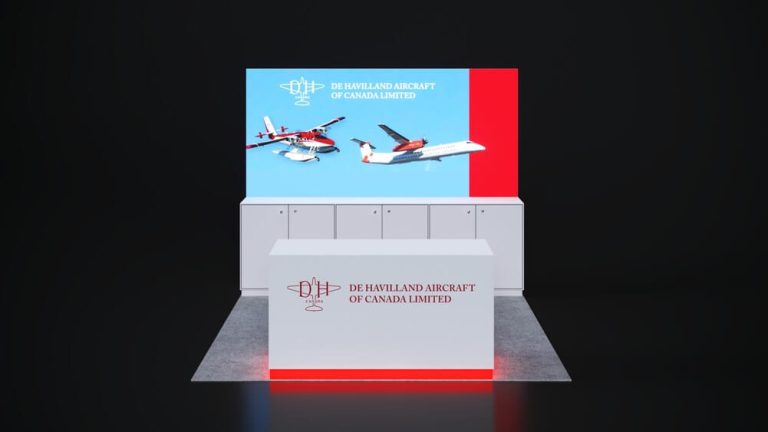
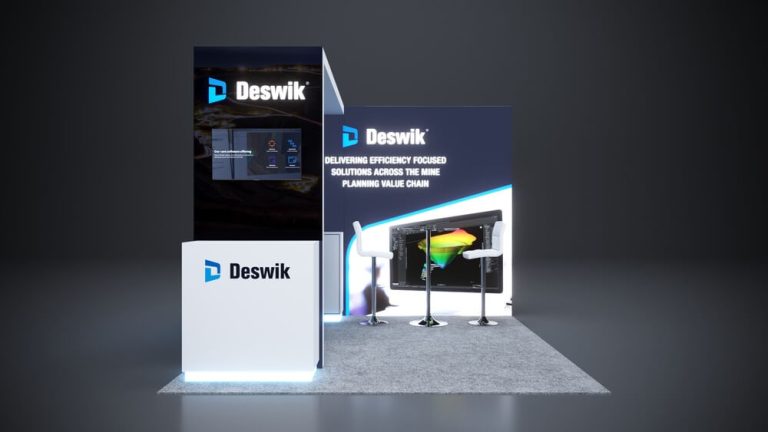
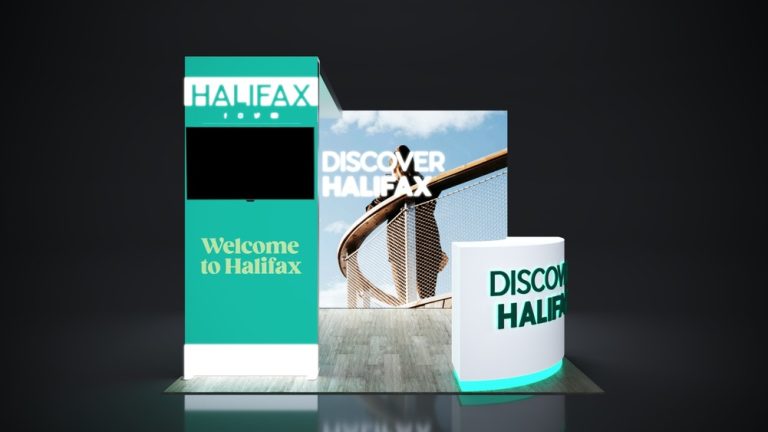
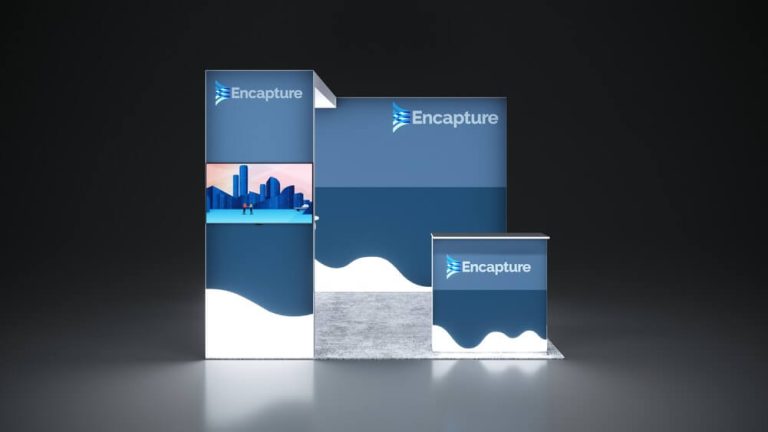
Every design below is a 100% custom rental we can deliver and install for Denver Startup Week Expo in Denver. Toggle a footprint, then customize the layout, millwork, AV and lighting, install and dismantle labour is included.
294 custom rental designs in the catalog.
1 · Booth size
Recommended · fastest
Instant quote
See your price range on screen right away. We reply within 1 hour, email and phone so a designer can confirm and customize further.
Email me a quote
Prefer email? Pick a size, drop your address, and we'll send a tailored custom-rental quote within 1 hour.
Figures shown are starting rental prices for budgeting only, not a quote. Send us your show, footprint and dates. Preliminary quote within 1 hour. Detailed quote within 24 hours. Rescue Booth Builds is the faster option when the show date is tight.
Showing 24 of 294 custom rental designs, delivered and installed in Denver. Every one is rebranded and can be customized further.
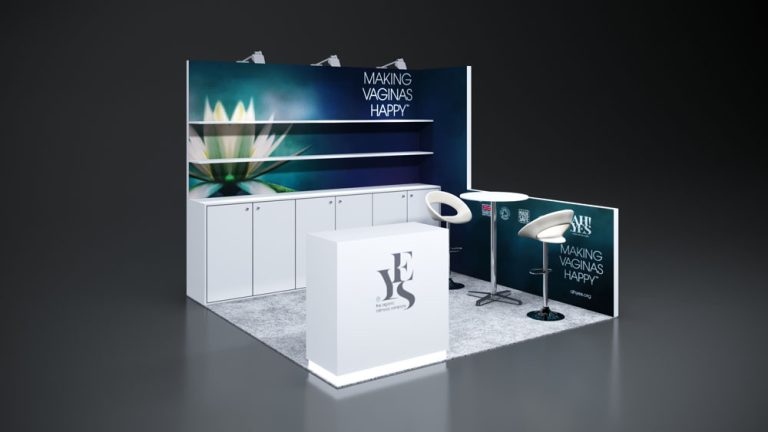
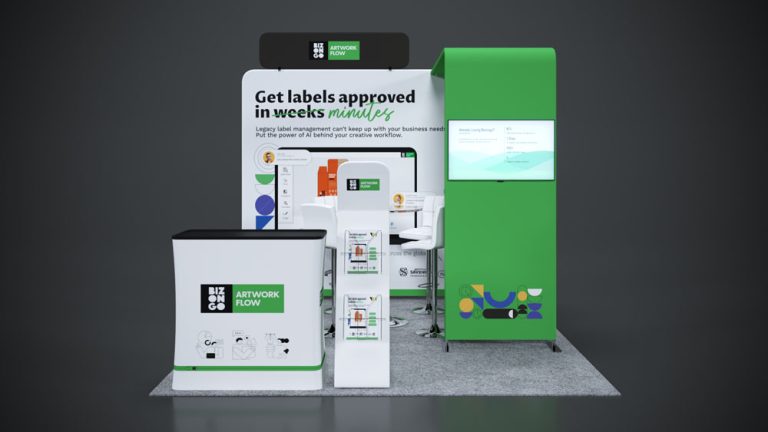
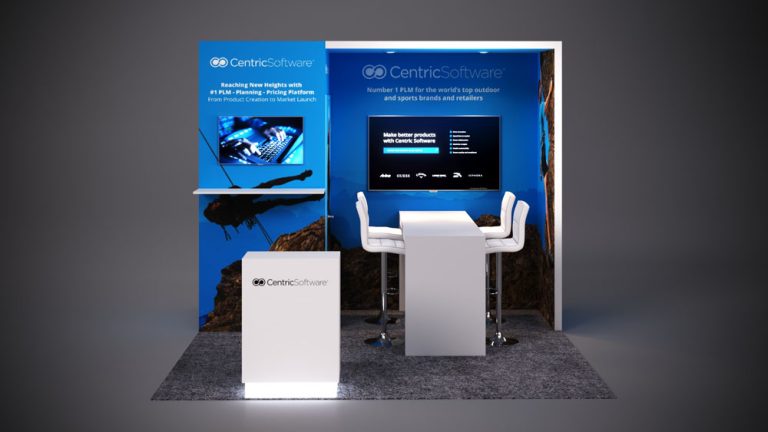
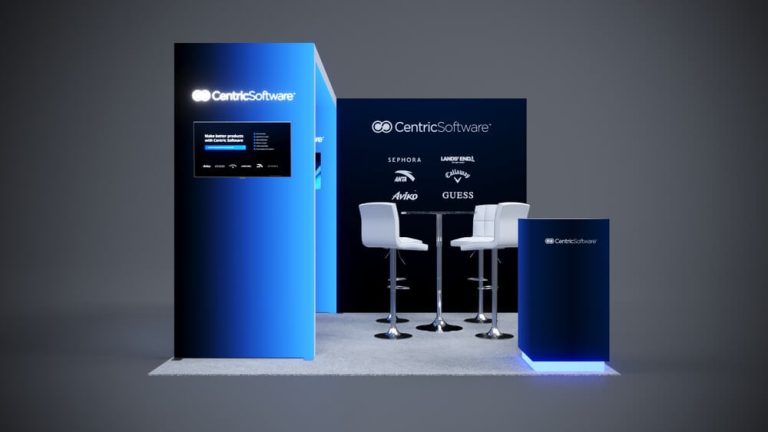
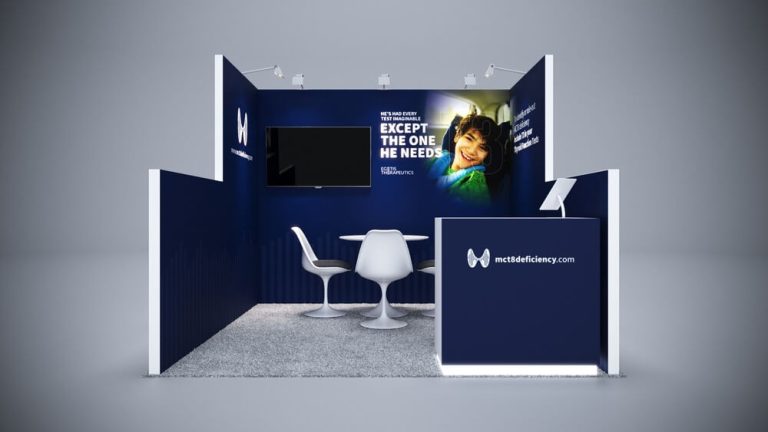
AH! YES 10x10 Custom Booth with Reception Counter
10 × 10 ft
TX-1010-01
Starting from $16,250 USD · Buy starting from $22,750 USD
100% custom, rent it or buy it, same design and build quality. Install & dismantle included.
Denver Startup Week floor plan and exhibitor map, what exhibitors need to know
Which halls Denver Startup Week occupies
Denver Startup Week runs inside Colorado Convention Center, which lays out exhibit space across Halls A-F + Bellco Theatre and rooftop terrace. Booth numbering at CCC Denver typically climbs in sequence along the aisle grid within each hall rather than continuously across the whole building, so the number range you're assigned tells you which hall and which side of the floor you're on before you ever look at a map. Cross-check your booth number against the current-year hall map the organizer publishes, hall assignments and exact numbering can shift year over year even at the same venue.
Booth sizes and layout types offered
Denver Startup Week exhibitors typically book 10×10, 10×20. On the floor plan, in-line footprints like 10×10 or 10×20 back onto neighboring booths on three sides and only face one aisle, Corner booths (open on two sides) split the difference and are usually the first upgrade worth requesting if a full island isn't in budget.
Move-in and move-out
Lock design by July for a September event. Once your space is confirmed, the floor plan drives everything downstream: your dock and delivery schedule at Colorado Convention Center are assigned by hall and booth location, and the union jurisdictions covering rigging, electrical and delivery at this venue depend on exactly where on the plan you land. Pick your booth before you finalize booth design, the hall, aisle width and neighboring booths all constrain what you can build.
How to read the plan when picking a booth
→Trace the main traffic corridors first, the widest aisles running from registration toward keynote stages or F&B usually carry the heaviest foot traffic at Denver Startup Week, and booths fronting those aisles outperform booths tucked in secondary rows of the same size.
→Corner and island positions (open on two or four sides) read better on the plan than they look on paper, they're worth the premium at Denver Startup Week because founders, vcs and regional tech talent attendees tend to walk the perimeter loop before cutting through center aisles.
→Proximity to hall entrances, registration, and F&B courts drives dwell time; proximity to keynote or theater stages drives spikes right before and after sessions, decide which pattern fits your technology & software audience before requesting a spot.
→Confirm ceiling height and column locations for your specific spot on the plan, CCC Denver's hall-by-hall ceiling and rigging limits (see the venue guide below) can rule out taller builds even on an otherwise strong booth.
Once you've picked your booth number
The plan dictates the build. Your hall's clear height and rigging rules set how tall you can go and whether a hanging sign is even possible; whether you're in-line, on a corner or on an island sets how many sides need to read as a front; and the aisle width in front of you sets how far back your messaging has to sit to be legible. We design and build to the exact footprint you were assigned at CCC Denver, custom rental or purchase, with install and dismantle included, and a project manager handling delivery and installation for your location on the plan.
Traction X doesn't publish or host the official Denver Startup Week floor plan, the show organizer is the source of record for current hall maps, booth numbering and availability (organizer site).
Get a quote for Denver Startup Week
Tell us your footprint and design direction. We'll return a costed BOM with venue-specific labour and venue services built in.
Preliminary quote within 1 hour. Detailed quote within 24 hours. Portables and Rescue Booth Builds in as little as 2 weeks. Standard lead time for all items is 3 months. Large custom builds: 4 months or more recommended.
10-minute call for projects of $10,000 USD and up. 30-minute design strategy session for projects of $30,000 USD and up.